
Industry Solution · Electronics & Motor

From reel to finished unit,every board is traceable

For electronics and motor manufacturing, One-MOM connects SMT loading proofing, reflow and AOI data, functional test and burn-in records, so high-mix low-volume electronics floors stay fully under control.

  • SMT loading proofing
  • Reflow and AOI
  • FCT / ATE test
  • Reel level traceability

Connects SPI · AOI · reflow ovens · placement machines · ATE/FCT · on-premise deployment

Modern electronics manufacturing SMT assembly line
Electronics & Motor Modern electronics manufacturing SMT assembly line
  • 0 Wrong component escapes Three-tier check
  • 98.7% First pass yield +6.3pt
  • 100% Test item coverage Missing test blocks
  • 2 hours Root cause localization Was 2 days
Shop floor challenges

Components keep shrinking,mistakes keep costing more

Reels look alike, process parameters sit in separate machine software, test data stays local, and high-mix low-volume makes every changeover a risk.

Macro view of tiny SMD components densely packed on a dark circuit board
  • Loading and splicing go wrong

    Reels look similar and manual part number checks are error prone. Wrong components are often found at functional test, or at the customer.

    Wrong component rework costs 40x the interception cost
  • Process windows are invisible

    Reflow profiles, solder paste thickness and AOI defect distribution are scattered across machine software and cannot be analysed together.

    Root cause localization averages 2 days
  • Test data sits in a silo

    ATE and FCT results stay on the test station and are never linked to product serial numbers or reel batches, leaving failure analysis without data.

    Failure analysis lacks process data support
  • Frequent changeovers eat capacity

    High-mix low-volume means constant changeovers with complex program, feeder and fixture preparation, consuming available hours.

    Changeover takes 22% of available hours

Electronics quality risk concentrates in two questions: is the material right, and is the process inside its window. Both need live linkage between machine data and order data.

Control closed loop

Material, parameters, test:three streams, one chain

With loading verification, process windows and test results on one data chain, the system already knows which reel was used and which reflow profile was run when a defect appears.

  1. 01

    Sense Sense

    Feeder and reel barcodes, SPI paste thickness, AOI defects, reflow profiles and ATE/FCT results are all captured and bound to the serial number.

    • Full capture of loading, splicing and changeover scanning
    • SPI, AOI and reflow profiles captured per board
    • Test station results uploaded automatically, no manual roll-up
  2. 02

    Decide Decide

    Reel part numbers are checked against the station BOM, out-of-window reflow and paste deviation are judged abnormal, and test results are binned against limits.

    • Station part number checked item by item against the BOM
    • MSD moisture sensitive exposure time controlled automatically
    • Reflow, paste and test results judged against limits
  3. 03

    Act Act

    Wrong material blocks machine start and locates the station. Failures route to repair automatically with a rework order, and changeover checklists and fixture tasks are dispatched.

    • Hard interlock: machine cannot start until corrected
    • Automatic failure routing with rework records written back
    • Changeover checklists dispatched early to cut waiting
  4. 04

    Trace Trace

    From serial number back to reel batches, reflow profiles, AOI and test data; from reel batch forward to the affected product scope.

    • Reel level bidirectional traceability, scope located in seconds
    • Repair material replacement written back, chain stays intact
    • Complete production history exportable for customer audits

Why traceability must reach the reel

One part number can span several supplier batches, so tracing only to part number cannot bound the problem. One-MOM pushes granularity down to reel and feeder station, so recall scope is precise to a reel ID.

Core capabilities

Loading, process, test:three gates

First pass yield in electronics is decided by these three gates. One-MOM gives each a hard interlock and a complete record.

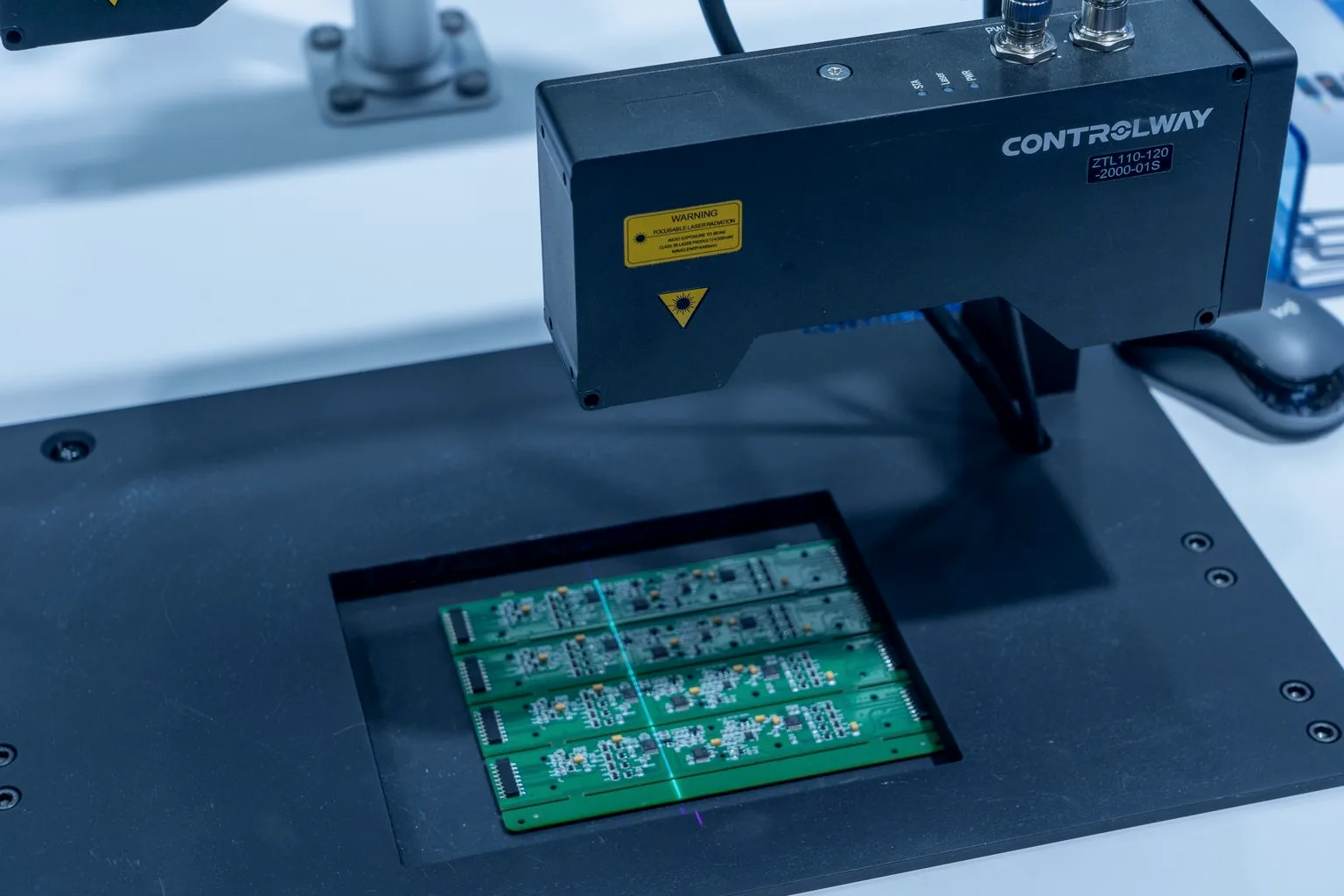
Automated optical inspection machine scanning a circuit board Loading proofing

SMT loading proofing and reel traceability

Station part numbers are checked against the BOM, feeder changes are verified by scanning, and MSD exposure time is controlled with automatic baking tasks.

  • Three-tier check for loading, splicing and feeder change
  • MSD exposure overrun warns and schedules baking
  • Reel level bidirectional traceability down to reel ID
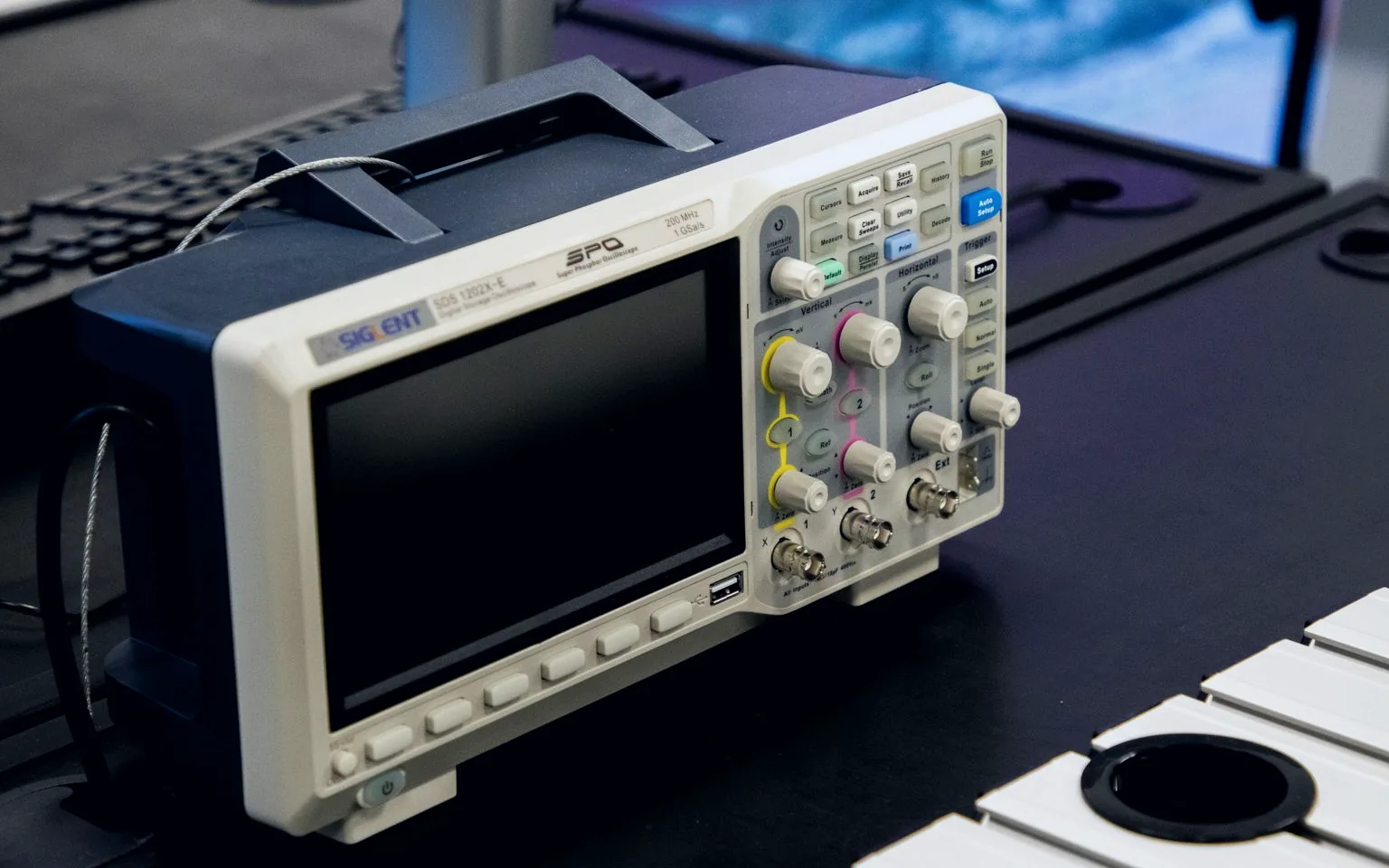
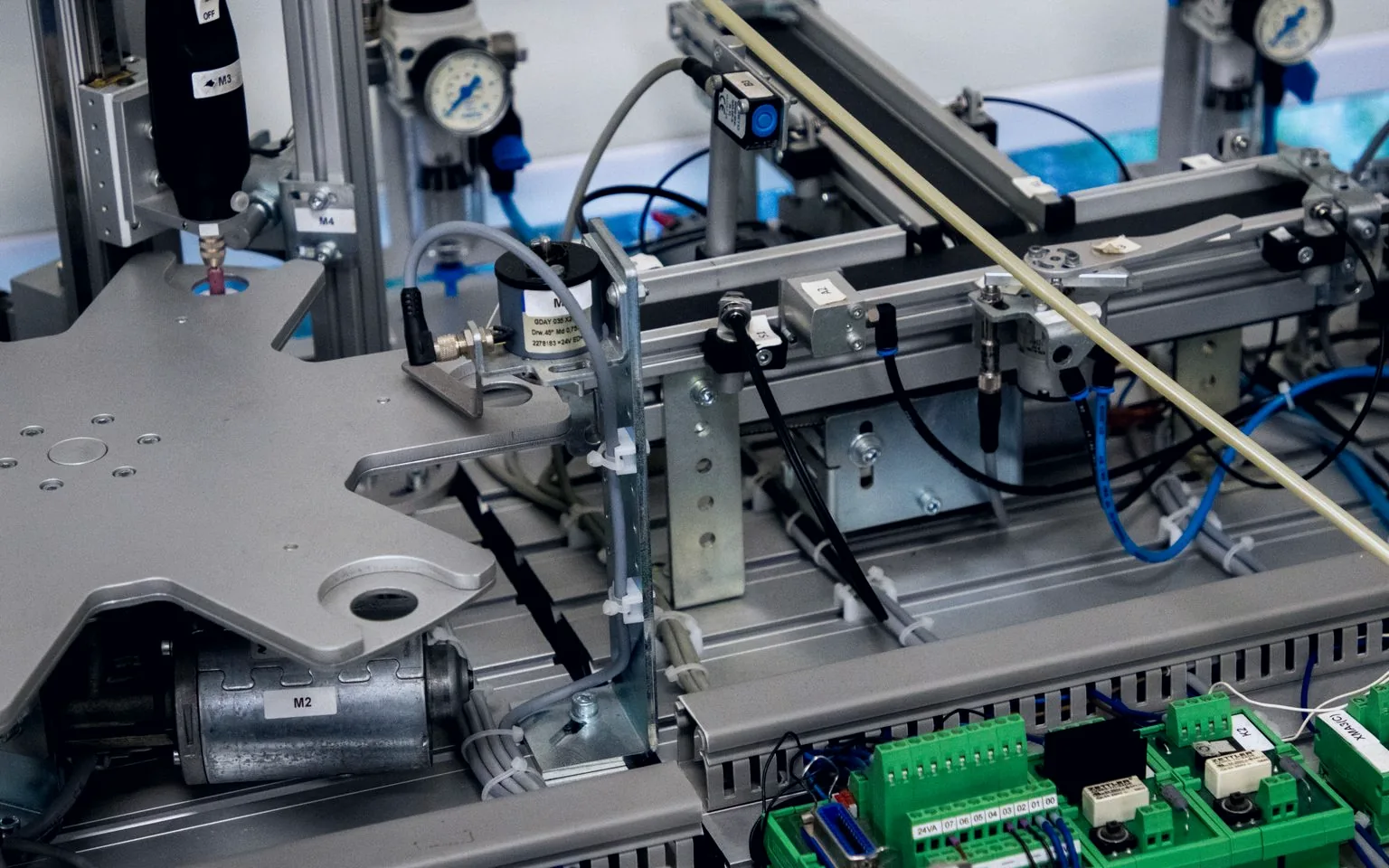
Functional test station with ATE fixture for electronic products SPI / AOI / reflow

Live process window monitoring

Paste thickness, reflow profiles and AOI defects are analysed together with reel information; defect distribution aggregates by station and reel.

  • Out-of-window reflow profile alarms and quarantines the batch
  • Defect heat map pinpoints station and reel
  • First pass yield computed live with trend tracking
Electric motor stator with copper windings and winding machine FCT / ATE

Functional test and burn-in closure

Test programs and limits are managed centrally. Results bind to the serial number, failures route to repair and material replacement is written back.

  • Test coverage verified, missing items block the station
  • Burn-in duration and temperature curves retained in full
  • Repair material records written back, chain stays intact
Station control points

Move the gate forward,trap defects where they occur

Every station has an explicit control point and system action. Failures do not flow downstream, and every repair writes back a complete record.

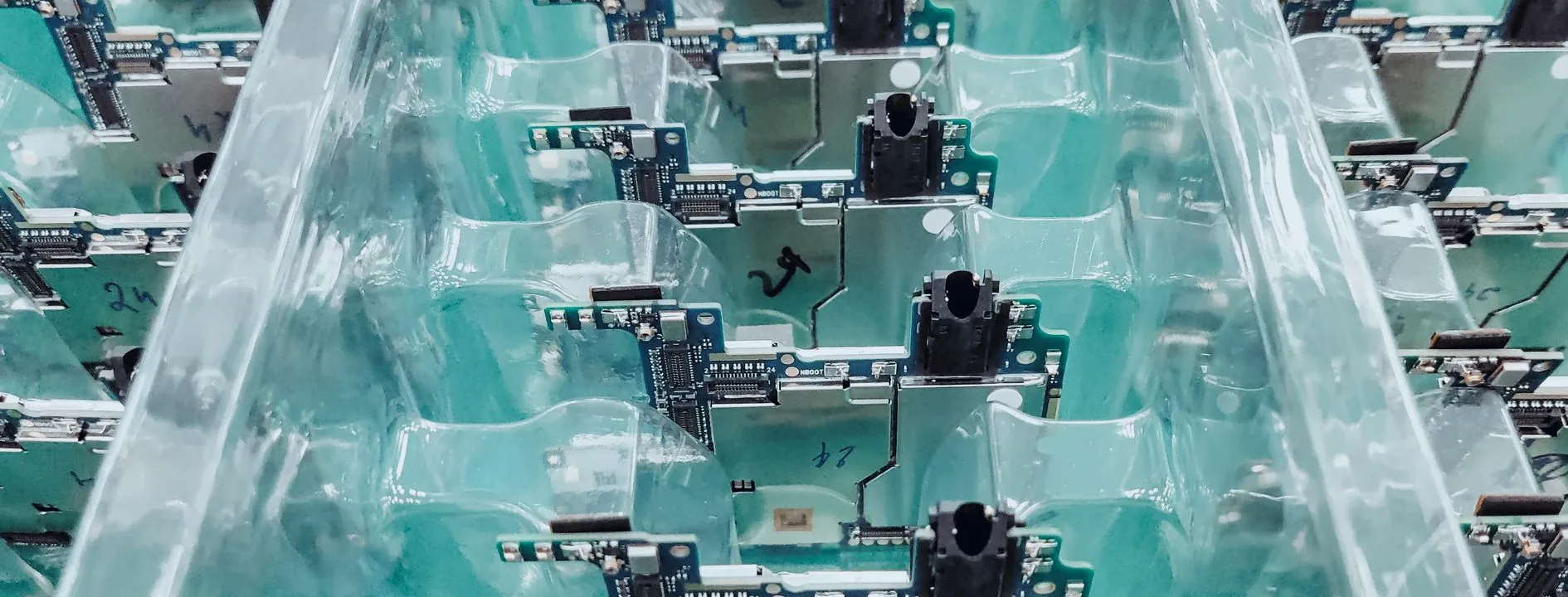
PCBA boards flowing in WIP trays off the SMT line
Station Control point Trigger System action
SMT loading Wrong material proofing Part number does not match the station BOM Block machine start and locate the exact station
Reflow oven Reflow window Peak temperature or time above liquidous out of window Alarm and quarantine the batch for review
AOI inspection Defect clustering Three consecutive boards with the same defect at one station Push process adjustment and stencil cleaning task
FCT test Missing test or out of limit Test items not covered or result out of limit Block the next station and route to repair
Burn-in Burn-in duration Duration short or temperature curve abnormal Extend automatically and flag the batch as suspect
Motor winding Turns and resistance Turn count or DC resistance out of tolerance Lock the station and raise a rework order
Finished packing Serial number and configuration Duplicate serial number or mismatch with order configuration Block label printing and warehousing

Process engineers configure control points on the low-code platform. New models or limit changes take effect immediately without touching machine programs.

Operations cockpit

When yield drops,know where instantly

Loading verification, process windows and test results are linked on one screen, so a defect drills down from the metric to station, reel and reflow curve.

Measured results

Intercept at the station,costs stay at the station

Typical before and after indicators for electronics and motor projects. Actual results vary with integration depth and product complexity.

0

Wrong component escapes

Three-tier check and hard interlock keep errors off the line

+6.3pt

First pass yield

Live process window monitoring corrects defects immediately

2 hours

Root cause localization

Linked aggregation pinpoints causes, previously 2 days

-34%

Changeover preparation time

Checklists and fixture tasks dispatched automatically

Indicators are typical customer statistics six months after go-live and depend on a site assessment.

Give every board a complete history

Book a traceability assessment for your line. We will deliver the connectable equipment list and a traceability granularity plan.